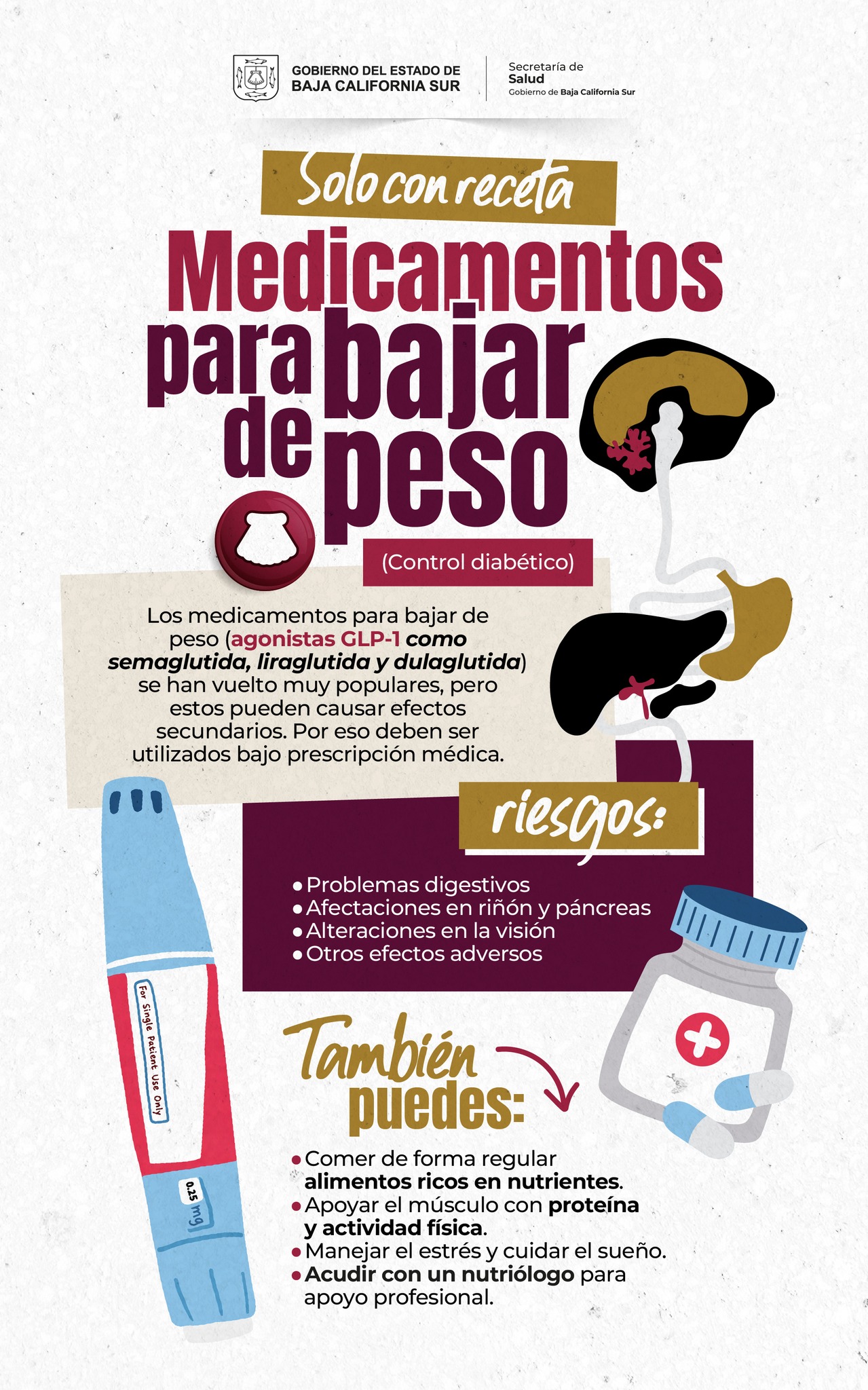
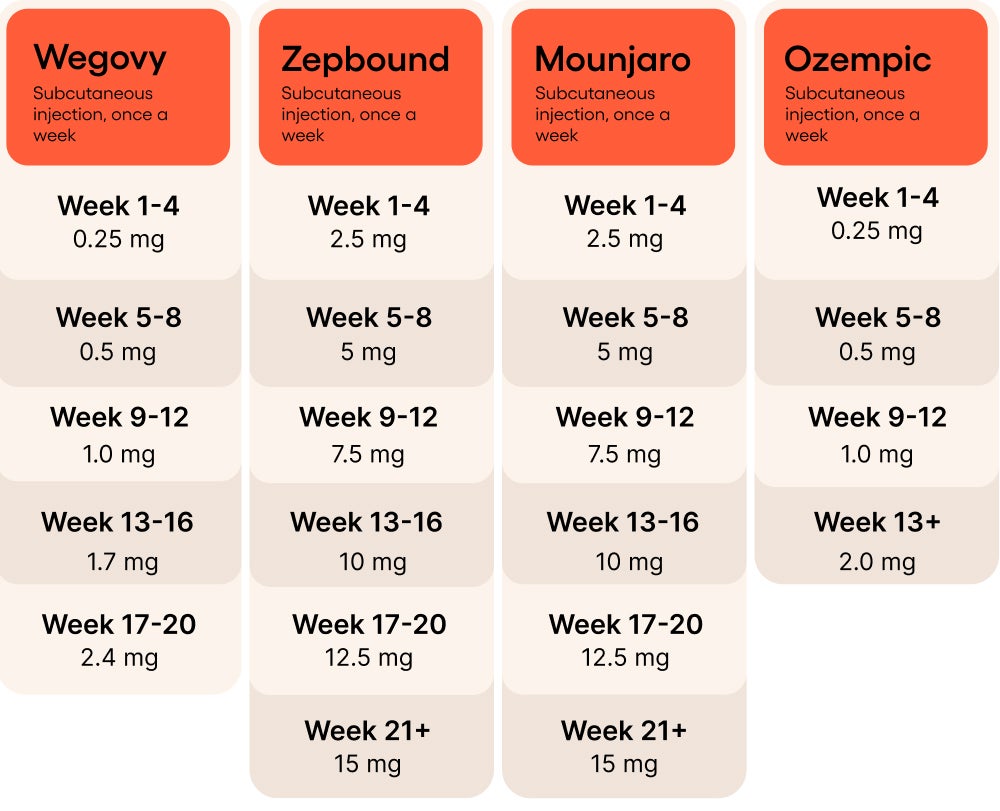
Tips For Managing or Avoiding Ozempic Side Effects Avoid large, fatty meals and greasy or fried foods Carefully monitor blood sugar levels to avoid hypoglycemia Eat bland foods such as rice, crackers or toast Eat meals that have a high water content, such as soup Eat more frequent, lighter meals Eat slowly Monitor for signs of pancreatitis, retinopathy or thyroid problems Start with a smaller dose and slowly increase it over time Stay hydrated by drinking cold drinks such as water or unsweetened iced tea Take anti-nausea medication Take the medicine at the same day and time each week with a meal Some people may suffer chronic side effects from taking Ozempic, mainly gastrointestinal effects
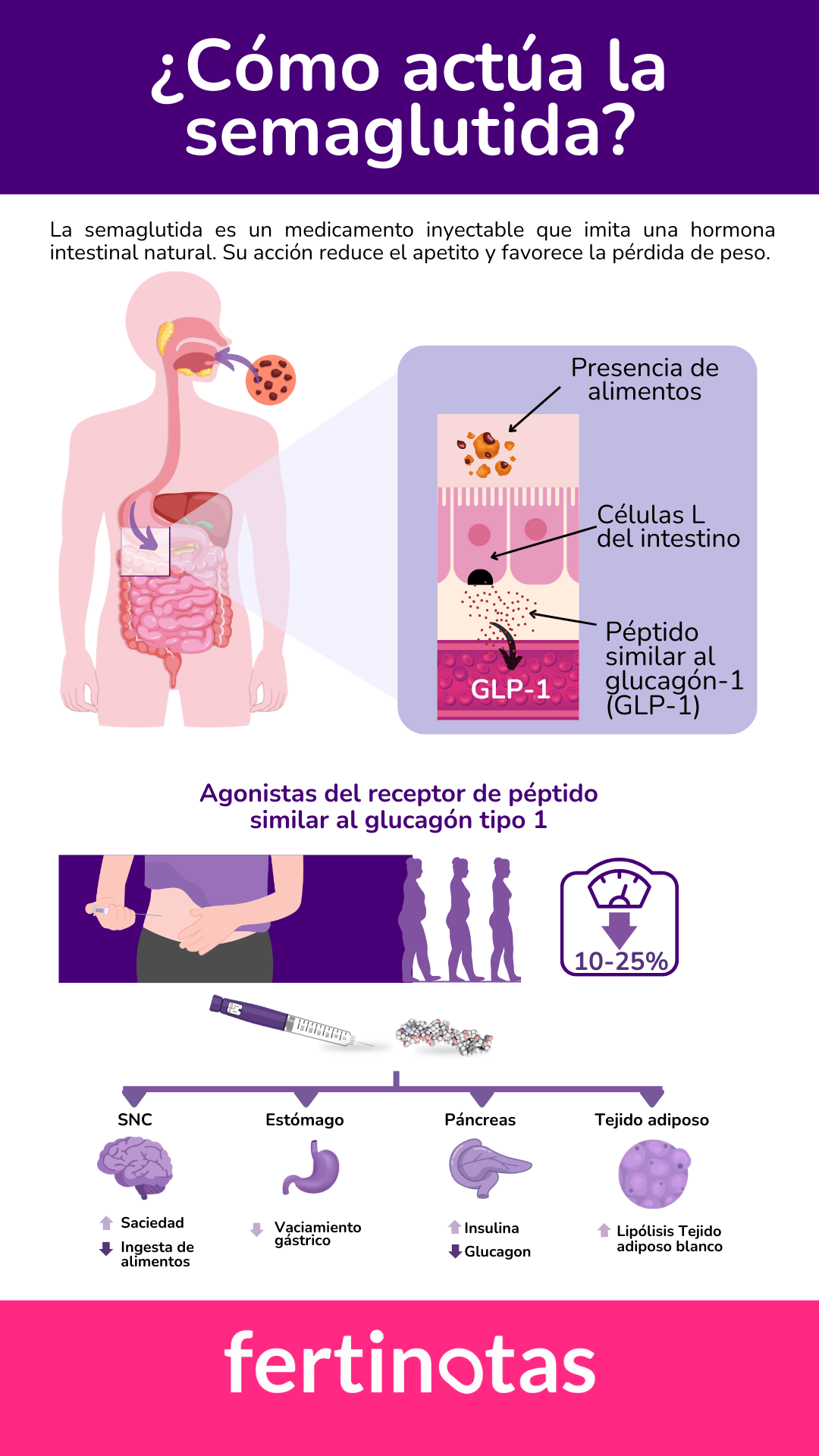
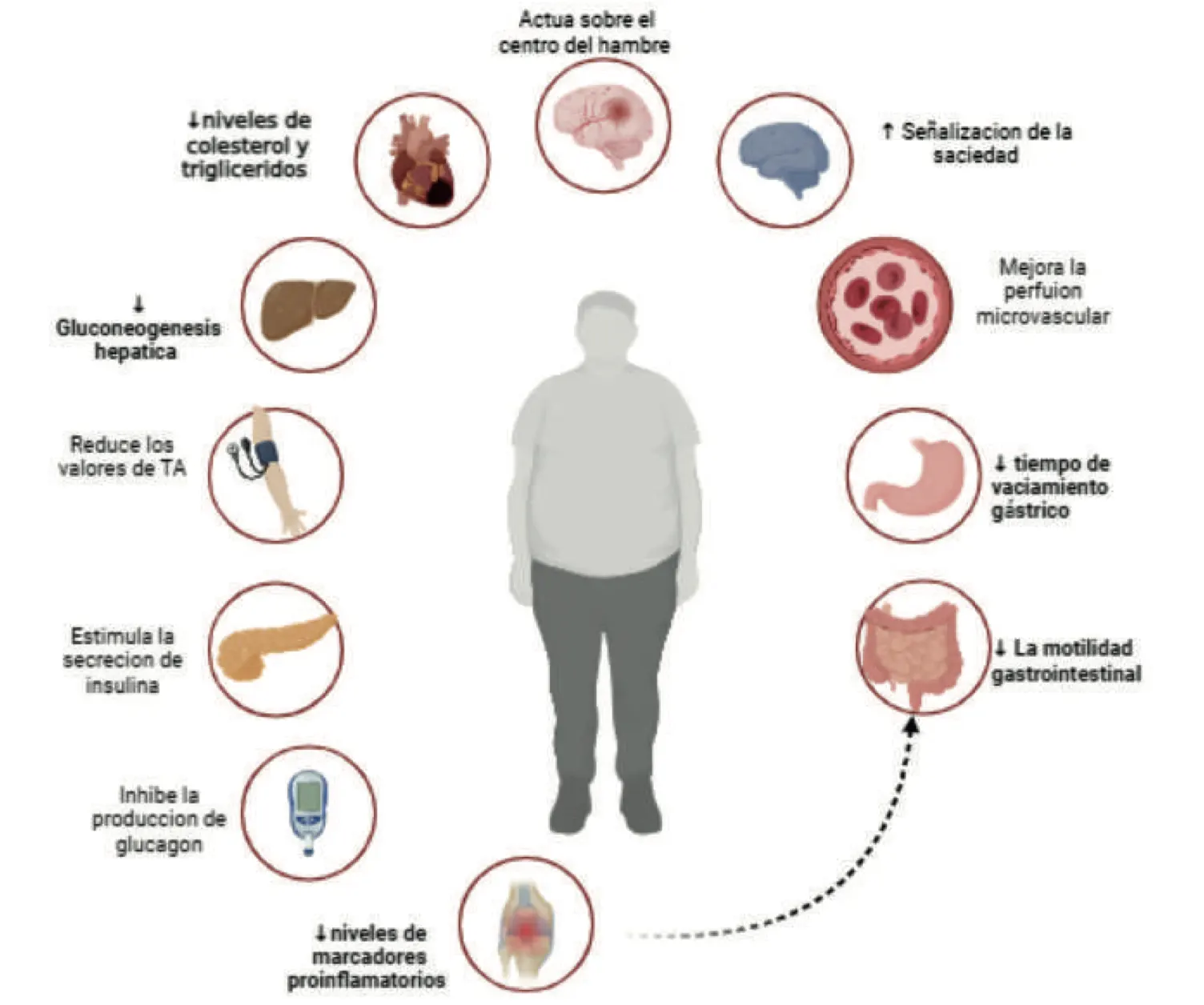
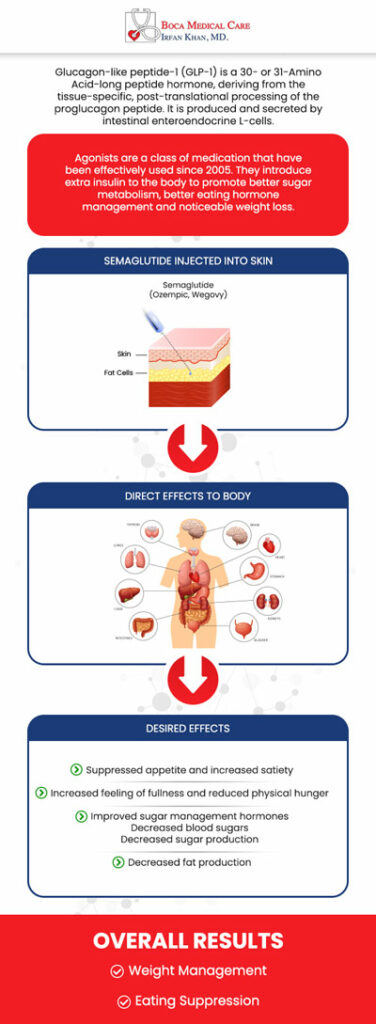
Ozempic, also known as Semaglutide, is a medication used to improve blood sugar control in adults with type 2 diabetes
Despite this, current recommendations are the same as liraglutide and individuals with a history of thyroid disorders arent recommended to take semaglutide
Semaglutide is commonly used in the management of type 2 diabetes and obesity
The same documentation is mirrored in the public COA library on this page, indexed by lot number for audit and review.