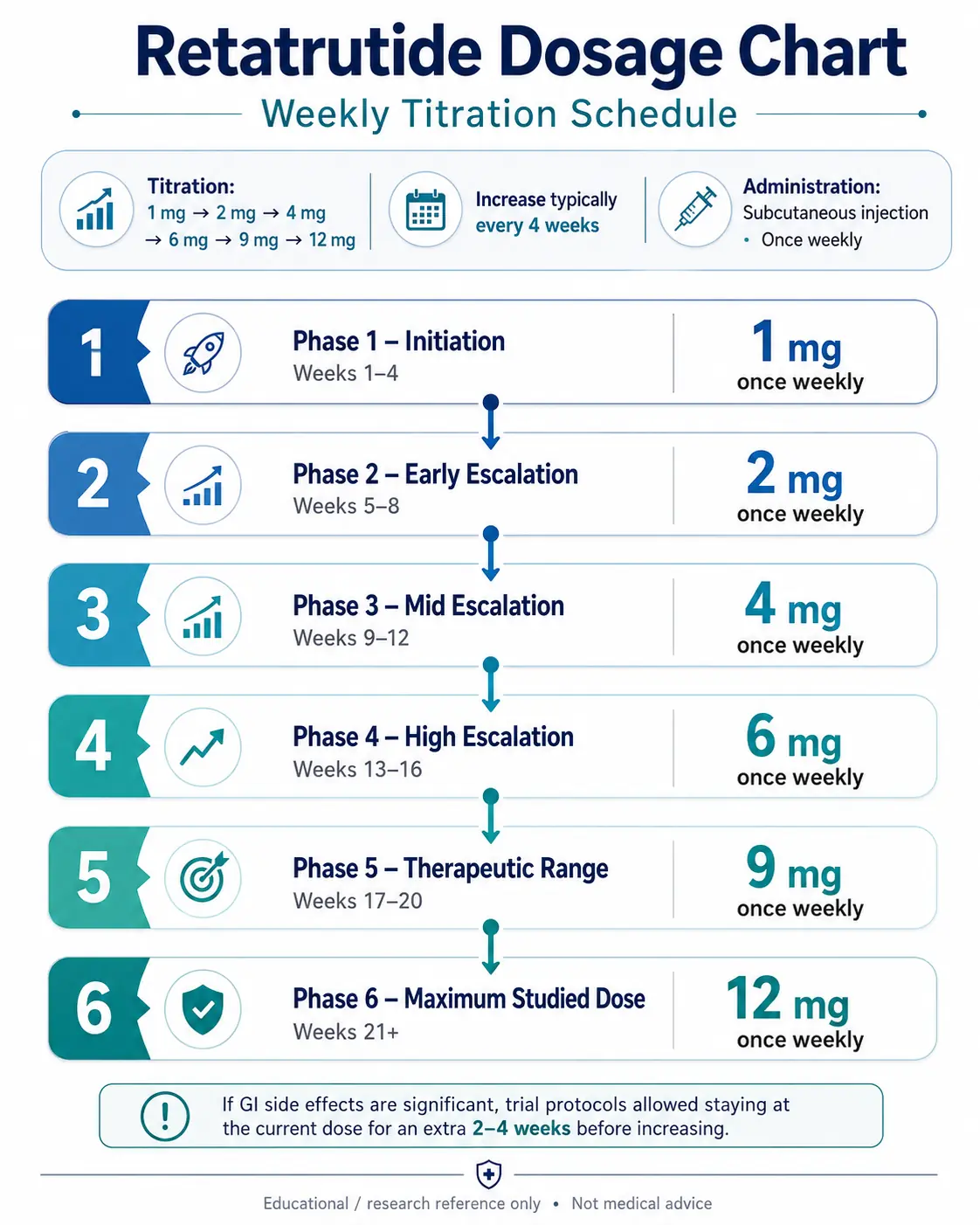
Mild gastrointestinal symptoms (transient nausea, vomiting, abdominal cramps, and diarrhea) have been reported
Factors influencing biofilm load balance: - Microbial composition: Balance of microorganisms in the biofilm - Environmental conditions: pH, temperature, nutrient availability, and oxygen levels - Host factors: Immune response, wound environment, and overall health - Treatment strategies: Antimicrobial therapies, debridement, and surface treatments Strategies to manage biofilm load balance: - Debridement: Remove dead tissue and debris to disrupt biofilm - Antimicrobial therapies: Use antibiotics, antiseptics, or other agents to control microbial growth - Surface treatments: Apply topical treatments or coatings to prevent biofilm adhesion - Lifestyle modifications: Maintain good hygiene, manage underlying conditions, and optimize nutrition To view or add a comment, sign in *Chlorella vs
Right, volcano plot showing relative fold change (log 2 ) in ER-metabolite abundance versus log 10 (P value) from HEK293T cells expressing a sgRNA targeting intergenic region or sgRNA targeting SLC33A1
Yue L, Chen S, Ren Q, et al
When glutathione pathways are disrupted, patients experience a cascade of downstream effects, from mitochondrial damage and severe post-exertional malaise (PEM) to impaired liver detoxification and histamine intolerance