Similarly, people with a history of psychiatric medications were 12% more likely to discontinue treatment within the first year, while those living with cardiovascular disease or other chronic conditions were around 10% more likely to stop treatment early -- also suggesting a higher likelihood of experiencing adverse effects
Warning signs that require immediate medical consultation include severe or persistent gastrointestinal symptoms (severe abdominal pain, persistent nausea and vomiting, signs of pancreatitis), symptoms of thyroid problems (neck mass, difficulty swallowing, persistent hoarseness), signs of gallbladder disease (right upper abdominal pain, especially after eating fatty foods), symptoms of kidney problems (decreased urination, swelling, fatigue), severe allergic reactions (call 911 for signs of anaphylaxis), or significant mood changes
To help reduce the frequency and severity of stomach pain associated with semaglutide use, it would be wise to discuss with a doctor any dietary changes to minimize possible irritation to your digestive system during treatment
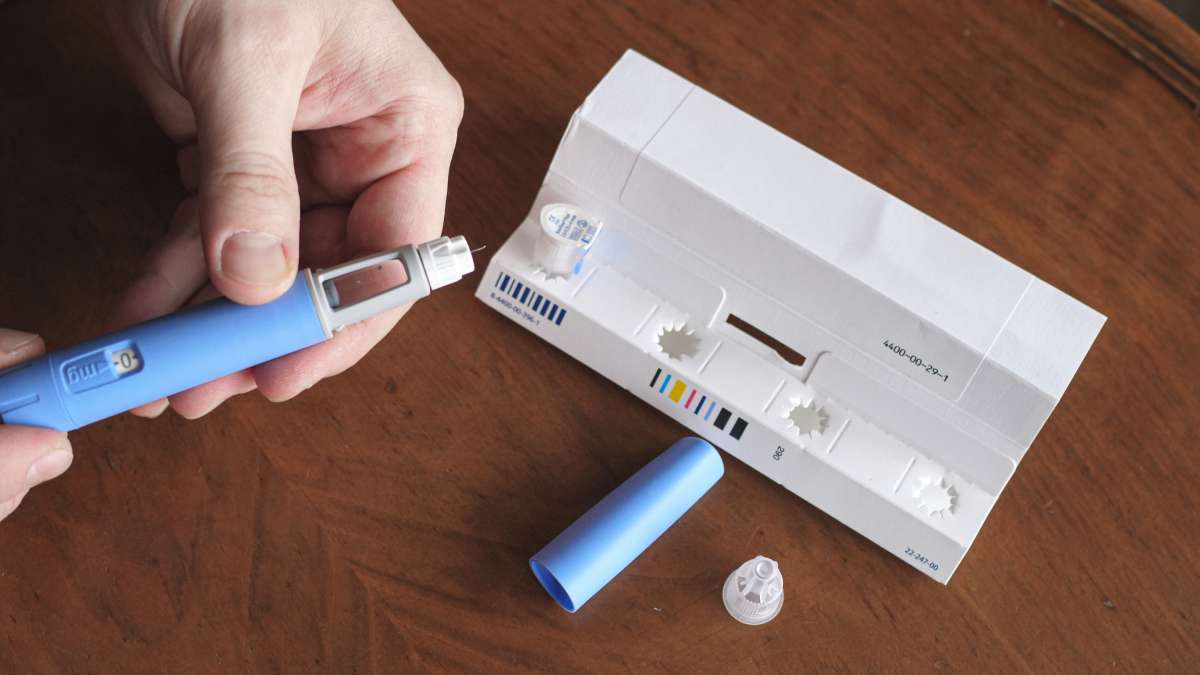
All forms of semaglutide and liraglutide follow a titrated dosing schedule
Some individuals see results more quickly than others because of differences in their physical activity, diet, and metabolism