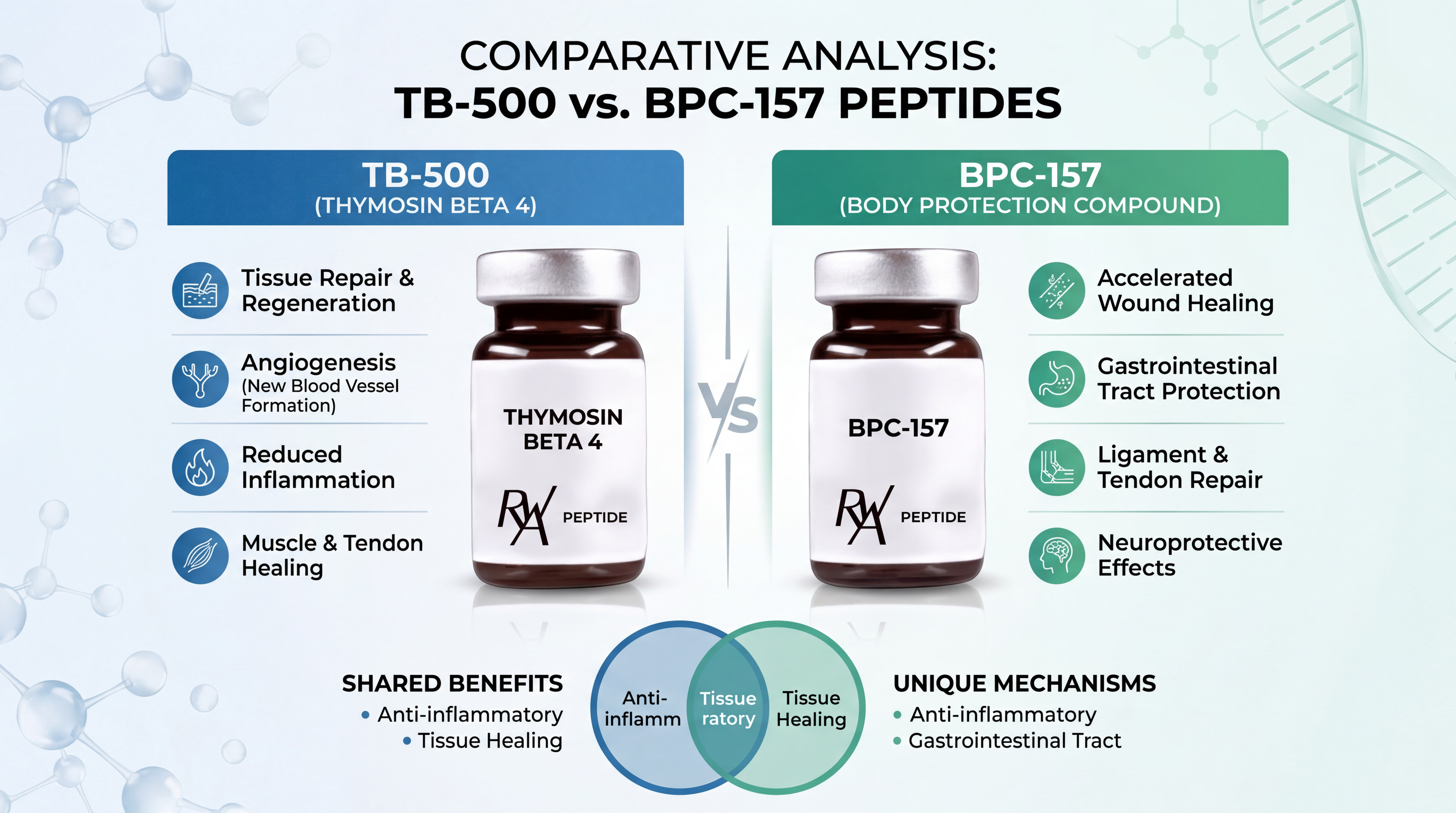
The wound healing cascade and GHK-Cu: Normal wound healing occurs in four overlapping phases: Hemostasis clotting Inflammation immune cell recruitment Proliferation new tissue formation Remodeling scar maturation GHK-Cu appears to favorably influence phases 2, 3, and 4 simultaneously: In the inflammatory phase , it reduces pro-inflammatory cytokines (IL-6, TNF-) while preserving necessary immune signaling In the proliferative phase , it stimulates keratinocyte migration and fibroblast proliferation, accelerating epithelial coverage In the remodeling phase , it promotes type I collagen deposition over type III (scar) collagen, leading to better scar outcomes This multi-phase tissue repair activity makes GHK-Cu a compound of interest when studied alongside other regenerative peptides
[2] [5] For individuals experiencing significant, rapidly progressing, or unexplained hair loss, a formal assessment by a GP or dermatologist is advisable before relying on over-the-counter copper peptide products
The procedure caters to a strong beauty market: surveys indicate a significant percentage of the population in certain Asian countries have tried some form of skin whitening, and glutathione is seen as a modern, healthy alternative to harsh bleaching creams or chemicals
GHK-Cu exhibits high affinity for extracellular matrix components, particularly glycosaminoglycans and structural proteins
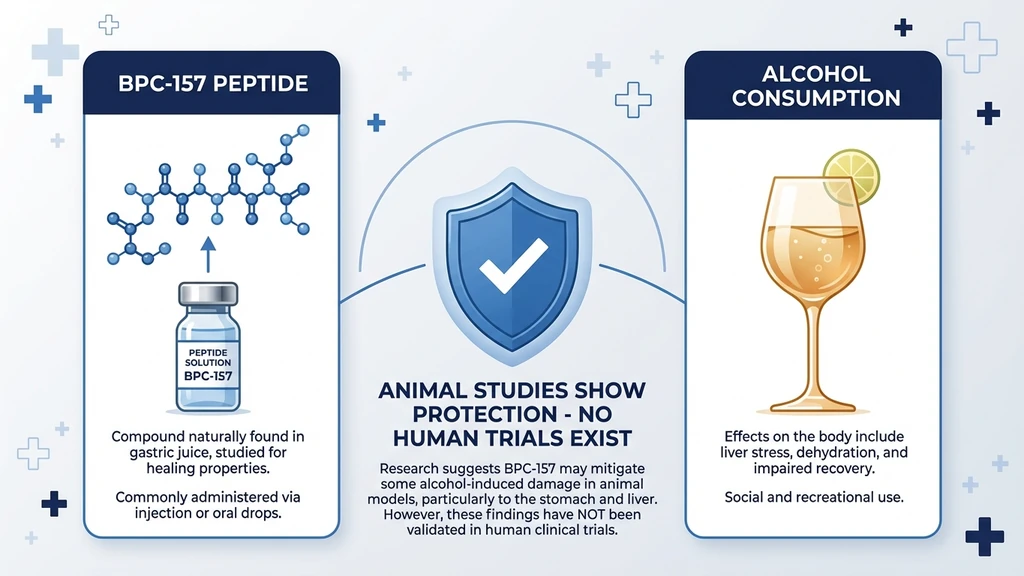
The medication was BPC 157 (10 g/kg, 10 ng/kg), given per-orally, in drinking water (0.16 g/mL