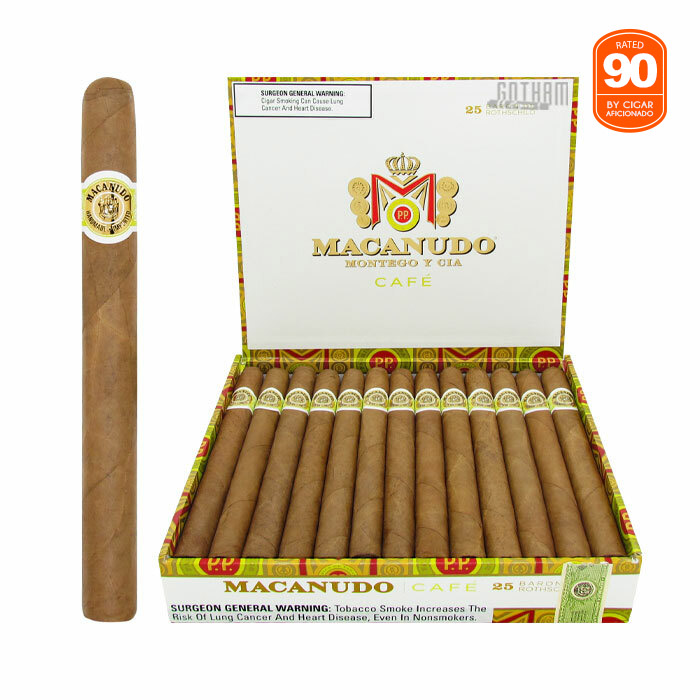
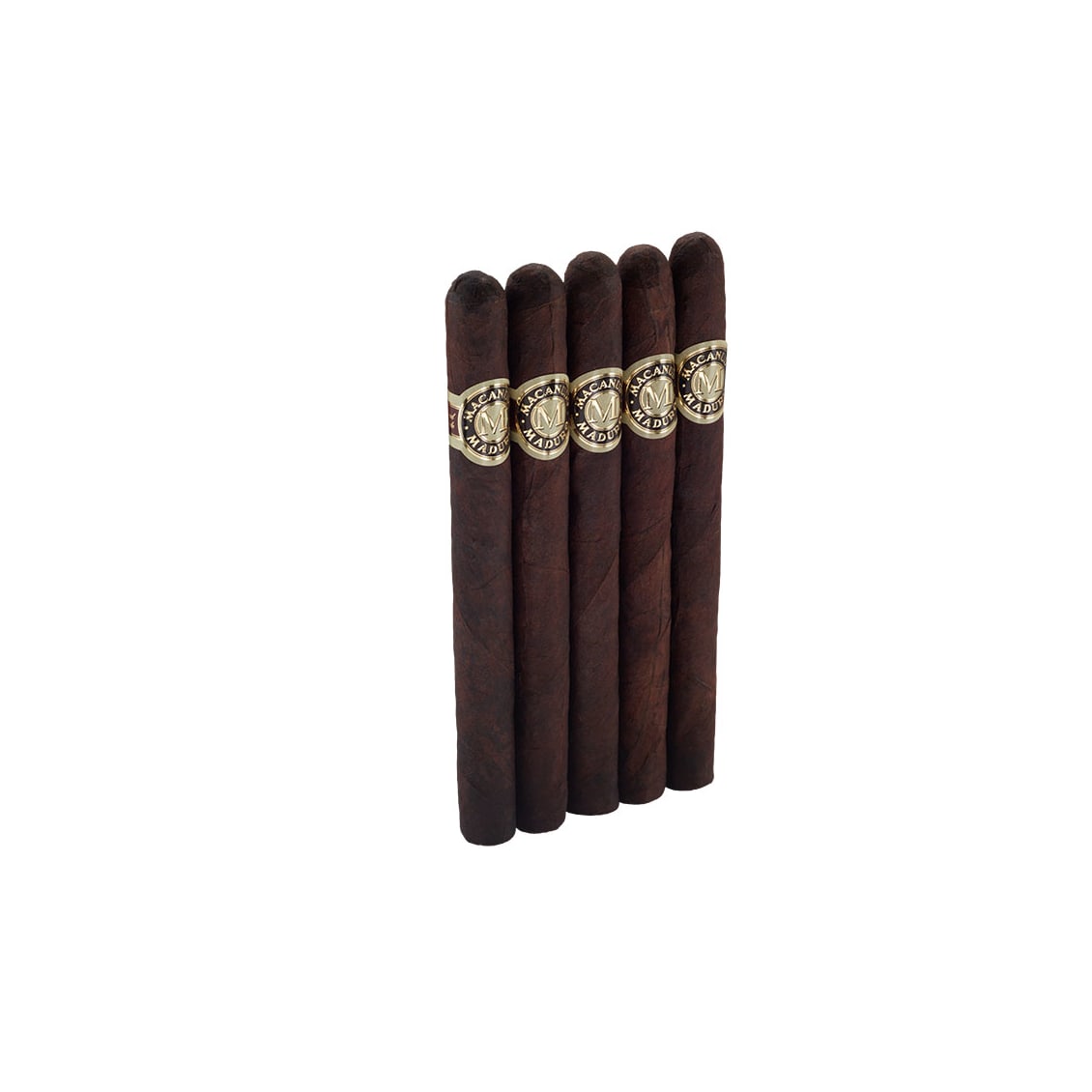
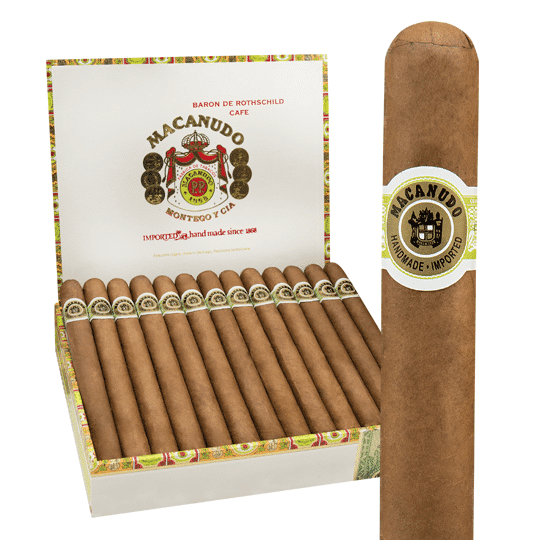
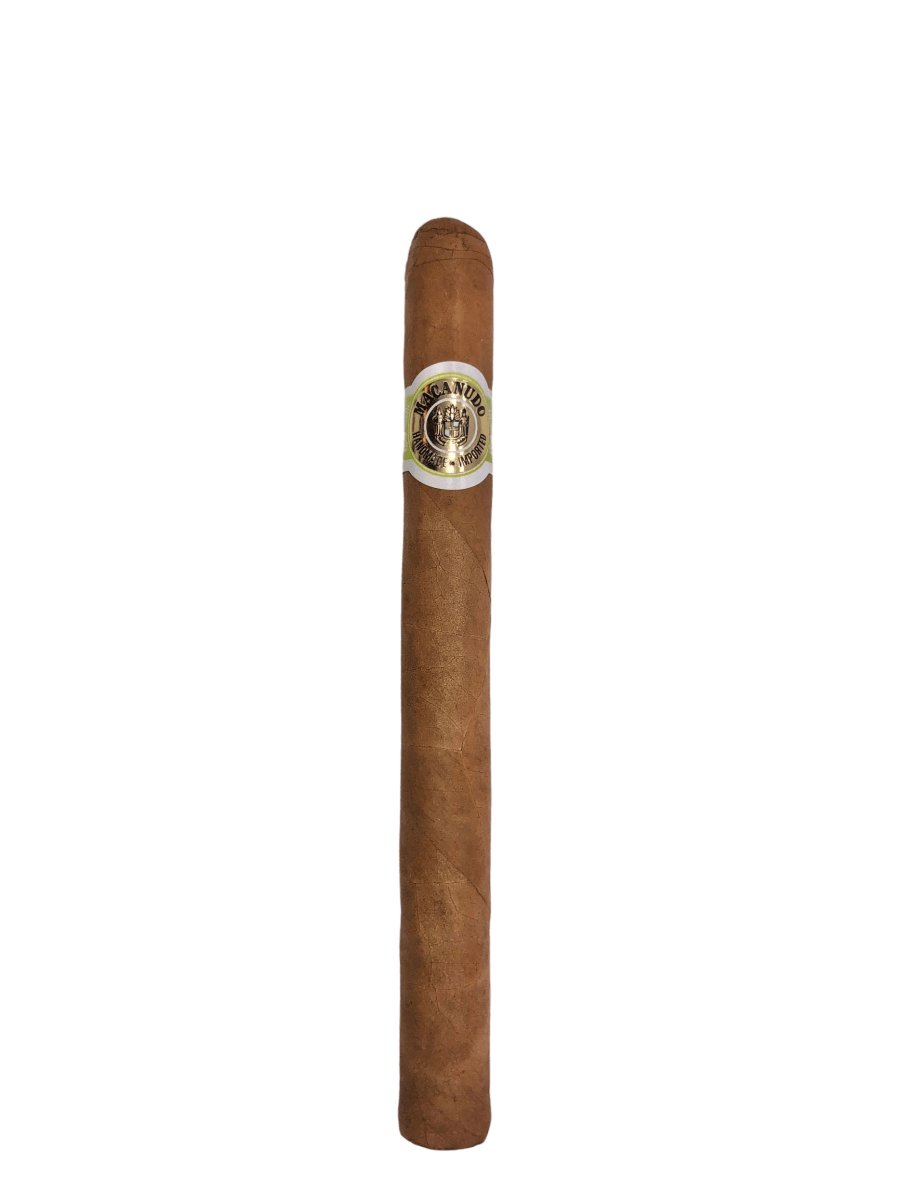
Wrapper: Honduras (Connecticut) Binder: Honduras Filler: Dominican Republic, Honduras & Nicaragua Length: 5 1/4 Inches Ring Gauge: 45 Vitola: Corona MSRP: $9 (Boxes of 20, $180) Release Date: February 2020 Number of Cigars Released: Regular Production Number of Cigars Smoked For Review: 3 If someone had told me these cigars were infused, I would have believed them without hesitation, as the aroma from the foot and wrapper is almost overwhelmingly sweet, with notes of raspberries, orange juice, cedar, earth and milk chocolate evident, while the cold draw brings flavors of candy apple, lemon rinds, anise, tea, creamy cedar, earth and vanilla sweetness
NEW ZEALAND
Epstein apparently intended to go himself
Gilbert made prototypes of his e-cig, too: Using the technology available in 1963 I concluded that a battery powered heat source would do the job and the first electric cigarette was born

rather they exhibit significant cross-talk ( Complement activation by smoking: possible suspects Concerning the potential tobacco chemicals that might activate the complement system, while the data available thus far are limited, activation of the classical pathway by tobacco glycoprotein (TGP)- which is derived from tobacco leaves- and a similar substance from cigarette smoke condensate- referred to as TGP-S- was explored ( Smoldering tobacco products produce particulate matter (PM), which is a major indoor air pollutant that has been linked to multiple diseases, including cancer ( C 3 - / - ) mice ( ex vivo and in vivo through the rise in both C3a and C5a, which was found to be mainly mediated by fine particulate matter PM 2.5 ( Tobacco smoking was also linked to a profile of toxic metals such as arsenic (As), cadmium (Cd), chromium (Cr), nickel (Ni), and lead (Pb) ( As was highlighted earlier in this review, tobacco smoking is linked/contains a host of different chemicals, some of which are known to be highly toxic (114, 115), which makes it possible to investigate the impact of some of these chemicals on the complement system, using curated databases such as the comparative toxicogenomic database (CTD) to delineate possible impacted pathways (116)