Guidance from primary care sources and specialty reviews points out a few important facts: Vitamin B12 deficiency can cause anemia and neurological symptoms, but routine screening of average-risk adults is not generally recommended Instead, testing is focused on people with higher risk, such as older adults, strict vegans, people with certain stomach or intestinal conditions, or long term use of specific medicines like metformin or acid reducers In real life, that might look like this: Your provider may suggest B12 rich foods or a standard oral B12 supplement, even without immediate lab work, if: You are over about 50 and your diet is low in animal products You follow a strict vegan or vegetarian diet and want to keep your levels up You have a mild risk factor but no concerning symptoms Your provider is more likely to order B12 labs if: You have unexplained fatigue, numbness, balance problems or memory changes You have anemia on other tests You have multiple risk factors, surgeries or long term digestive conditions that make absorption less likely Even when lab tests are not ordered right away, dosing and follow up should still be decided together with a licensed clinician
#BPC157 #Peptides #HealingPeptides #RecoveryScience #DoctorExplains #TalkingWithDocs #MedicalEducation #HealthFacts Information Show FrequencyUpdated Daily Published1 January 2026 at 10:00 pm UTC Length10 min Season1 Episode146 RatingClean
I know nothing about this stuff
Nature 454(7204):656660 Strasser GA, Kaminker JS, Tessier-Lavigne M (2010) Microarray analysis of retinal endothelial tip cells identifies CXCR11 as a mediator of tip cell morphology and branching
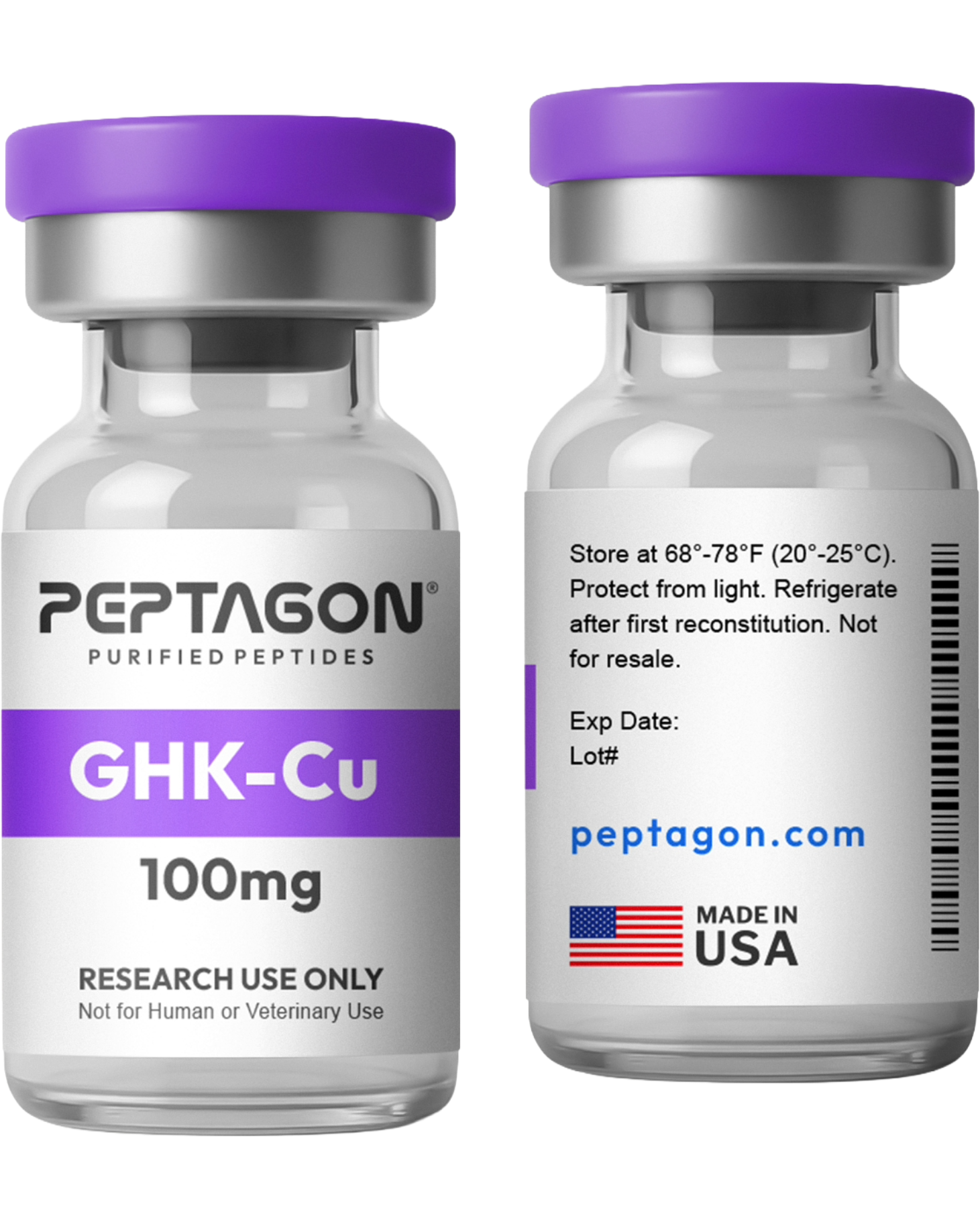
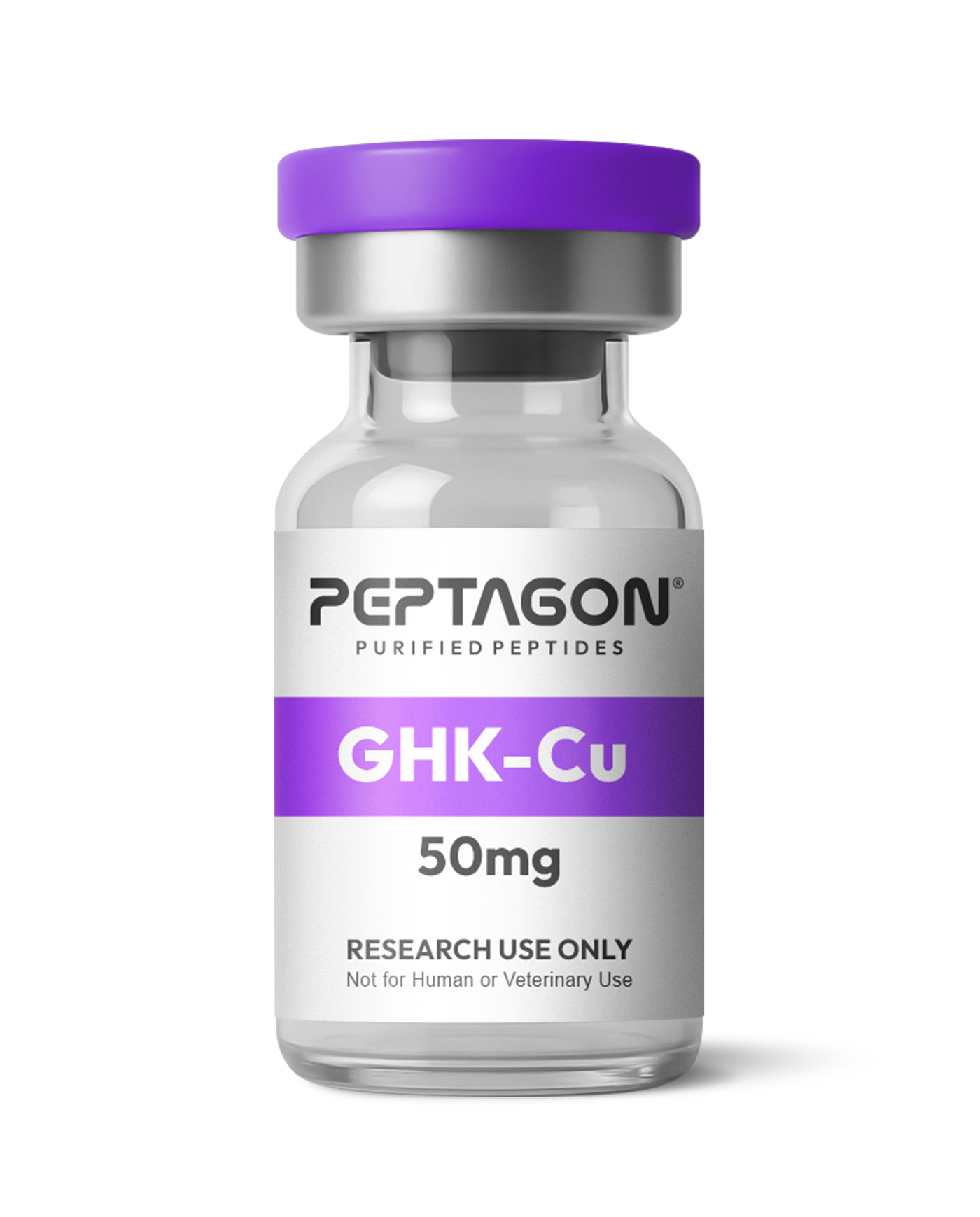
$20.99 $260.00Price range: $20.99 through $260.00 BPC-157 is a synthetic peptide sequence derived from a gastric protein fragment










:max_bytes(150000):strip_icc()/health-GettyImages-2025836701-ce3f5ccf0f98428e9d14abaeb07ba307.jpg)