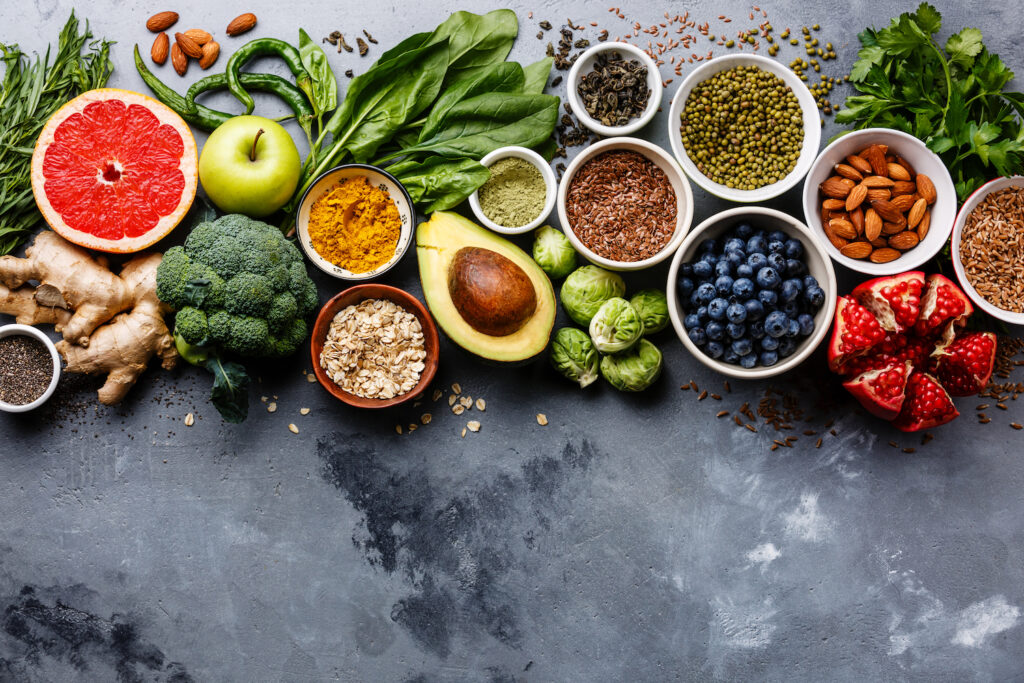
Foods to emphasize High-protein, moderate-volume foods that maximize nutrition per bite Non-starchy vegetables for fiber and micronutrients Healthy fats in moderate amounts (avocado, olive oil, nuts) Foods rich in B12 to supplement the injectable dose: meat, fish, eggs, dairy Iron-rich foods to prevent deficiency during caloric restriction Collagen-rich bone broth for connective tissue and joint support Foods to limit Fried and greasy foods (worsen nausea dramatically) Carbonated beverages (increase bloating and discomfort) Extremely high-fiber meals (can cause severe bloating when gastric motility is already slowed) Alcohol (increases hypoglycemia risk, adds empty calories, worsens GI symptoms) Large volumes of food at a single sitting (the stomach simply cannot handle it) Long-term protocol planning Most people think about compounded semaglutide with B12 as a weight loss medication

Corticosteroids like prednisone increase appetite and promote fluid retention through distinct metabolic pathways, which can work against GLP-1 receptor agonist therapy
Trust peer-reviewed research and official health agency guidance over anecdotal reports or unregulated sources.

Abbreviations ACE: angiotensin-converting enzyme ACh: acetylcholine ADMA: asymmetric dimethyl-L-arginine ATII: angiotensin II BH 4 : tetrahydrobiopterin cGKI: cGMP-dependent protein kinase cGMP: cyclic guanosine monophosphate CTP CH-I: GTP cyclohydrolase I DDAH: dimethylarginine dimethylaminohydrolase DETC: diethylthiocarbamate DHFR: dihydrofolate reductase DOCA: deoxycorticosterone acetate eNOS: endothelial nitric oxide synthase FMD: flow-mediated dilation LDL: low-density lipoprotein L-NAME: N G -nitro-L-arginine methyl ester NO: nitric oxide NTG: nitroglycerin ONOO : peroxynitrite PDE1A1: phosphodiesterase 1A1 PKC: protein kinase C PRMT: protein arginine N -methyltransferase ROS: reactive oxygen species sGC: soluble guanylyl cyclase SHR: spontaneously hypertensive rats SNP: sodium nitroprusside SOD: superoxide dismutase STZ: streptozotocin VASP: vasodilator-stimulated phosphoprotein

70 The decrease in enzymatic antioxidant activity in hypertensive humans and in animal models of hypertension has been widely reported, which suggests that reduced antioxidant defenses are involved in this disease